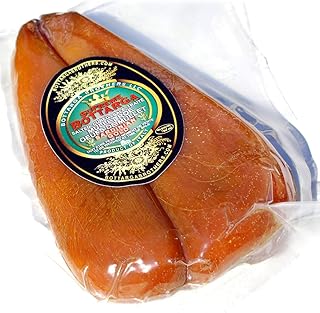
In the pantheon of gourmet ingredients, few possess the mystique, history, and intense flavor profile of Bottarga. Often referred to as "Sardinian Gold," this cured fish roe is a cornerstone of Italian and Mediterranean cuisine, offering a powerful punch of savory, briny umami that can transform simple dishes into extraordinary culinary experiences. For the uninitiated, diving into the world of Bottarga can seem daunting, but understanding its origins, varieties, and uses unlocks a new dimension of flavor.
What Exactly is Bottarga?
At its core, Bottarga is the salted, cured, and dried roe sac of specific fish, primarily grey mullet (muggine) or bluefin tuna. The process is an ancient art of preservation, honed over centuries in coastal communities, particularly in Sardinia and Sicily. The result is a hard, waxy block with a deep amber to dark red color, boasting a complex flavor that is intensely salty, fishy in the best way, and rich with oceanic umami. It's often compared to a more robust, dry version of caviar, but its culinary application is vastly different.
The Two Crown Jewels: Mullet vs. Tuna Bottarga
The most celebrated and traditional type is Bottarga di Muggine, or grey mullet roe. Sardinia's Cabras region is world-famous for producing some of the finest examples, like the exquisite L'Oro di Cabras. This variety is known for its balanced, nuanced flavor—salty, nutty, and less aggressively fishy than its tuna counterpart. It's the classic choice for grating over pasta. For a premium whole mullet roe experience, the Smeralda Italian Whole Bottarga offers a large, 5-ounce size perfect for enthusiasts.
On the other hand, Tuna Bottarga, particularly from Sicily, is stronger, darker, and has a more pronounced fish flavor. It's a bold choice for those who love intense seafood notes. A great introduction to this style is the Sicilian Grated Bluefin Tuna Bottarga, which comes conveniently pre-grated.
Whole vs. Grated: Choosing Your Format
Bottarga is available in two main forms, each with its advantages. A whole sac, like the Sanniti Bottarga Cured Mullet Roe, is the purist's choice. It retains maximum freshness and flavor until the moment you grate it. You control the texture, from fine dust to delicate shavings. This format is ideal for showcasing on a cheese board or for the home cook who uses it frequently.
For unparalleled convenience, pre-grated Bottarga is a game-changer. Products like Sardinian Grated Bottarga or Le Mareviglie Grated Bottarga are ready to sprinkle instantly, eliminating the need for a special grater. This is perfect for quick weeknight dinners or as a finishing touch where ease is key.
How to Use Bottarga in Your Kitchen
The magic of Bottarga lies in its versatility as a finishing ingredient. Heat diminishes its complex aroma, so it's always added at the end of cooking or served raw. The most iconic use is Spaghetti alla Bottarga: simply toss al dente spaghetti with high-quality olive oil, garlic, lemon zest, and a generous snowfall of freshly grated Bottarga. The heat of the pasta gently warms the roe, releasing its incredible fragrance.
Beyond pasta, try it shaved over creamy risotto, scrambled eggs, or avocado toast. It elevates simple salads, especially those with fennel or citrus. A few slivers on top of raw oysters or crudo is a luxurious treat. For a stunning appetizer, drizzle thin slices of Bottarga with olive oil and serve with bread. The key is to let its unique flavor be the star.
Selecting and Storing Your Sardinian Gold
When buying whole Bottarga, look for a product that is firm, dry to the touch, and has a consistent color. The "Sardinian Gold" line offers authentic, kosher-certified options in various sizes, from a convenient 3-ounce piece to a more substantial 5-ounce or even a 6.3-ounce size, perfect for serious aficionados. Once opened, wrap the whole sac tightly in parchment paper and then in foil, storing it in the refrigerator. Grated Bottarga should be kept in an airtight container in the fridge. Properly stored, it can last for months.
Embracing Bottarga is an adventure in taste. It connects you to ancient Mediterranean traditions and offers a powerful, unique flavor that is surprisingly easy to incorporate into modern cooking. Whether you choose a classic whole mullet roe from Sardinia or a bold grated tuna version from Sicily, this "poor man's caviar" is truly a treasure worth discovering. For more detailed recipes and history, explore our comprehensive Ultimate Guide to Bottarga.